

If you share your home with a cat, you already know the deal: lots of love, lots of purring… and sometimes a couch that looks like it’s been through a battle. Scratching is completely natural for cats, but that doesn’t mean your favorite sofa has to be the sacrifice.
Cats don’t scratch out of spite. They do it to mark territory, stretch their bodies, and keep their claws healthy. The goal isn’t to “stop scratching”—it’s to redirect it and protect the spots you care about most. Below are practical, cat-friendly ways to keep your furniture safe while your cat still gets to be a cat.

Use Sofa Covers to Create a Protective Barrier
One of the easiest ways to protect upholstery from claws is simply to cover it. A well-fitted sofa cover acts like a shield, taking the scratches and wear so your actual couch fabric doesn’t have to.
At Slick Interior, our washable sofa covers are designed to fit snugly, stretch comfortably, and stay in place—so you’re not constantly adjusting them. They also make everyday life easier: spills, hair, and muddy paw prints can be handled with a quick wash instead of a deep clean or reupholstery bill.
If a cover does get damaged over time, replacing it is usually far more affordable than repairing the sofa itself. And if you have a sectional, our L-shaped and U-shaped cover options help you protect those tricky corners that cats love to target.

Provide Scratching Posts in the Right Places
Scratching posts aren’t just “nice to have”—they’re a must if you want your cat to ignore the couch. The trick is placement and variety. Some cats prefer tall, sturdy posts for a full-body stretch, while others love horizontal scratchers.
Look for materials cats typically enjoy, like sisal rope, corrugated cardboard, or rough carpeting. Then place scratchers near your cat’s favorite nap zones and close to the furniture they normally target. If you’re starting fresh, a little catnip or a toy can make the new post instantly more appealing.

Use Double-Sided Tape as a Simple Deterrent
Double-sided tape is a quick, budget-friendly way to make your furniture less tempting. Apply it to the usual scratching spots—corners, sides, and armrests. Most cats dislike the sticky feeling on their paws and will choose another surface instead.
Once your cat loses interest in the taped areas, you can slowly remove the tape. Keep reinforcing the “good choice” by making scratching posts or mats easy to reach.
Keep an eye on your cat’s reaction. If they seem stressed or extra determined, skip the tape and lean more heavily on covers + scratchers instead.
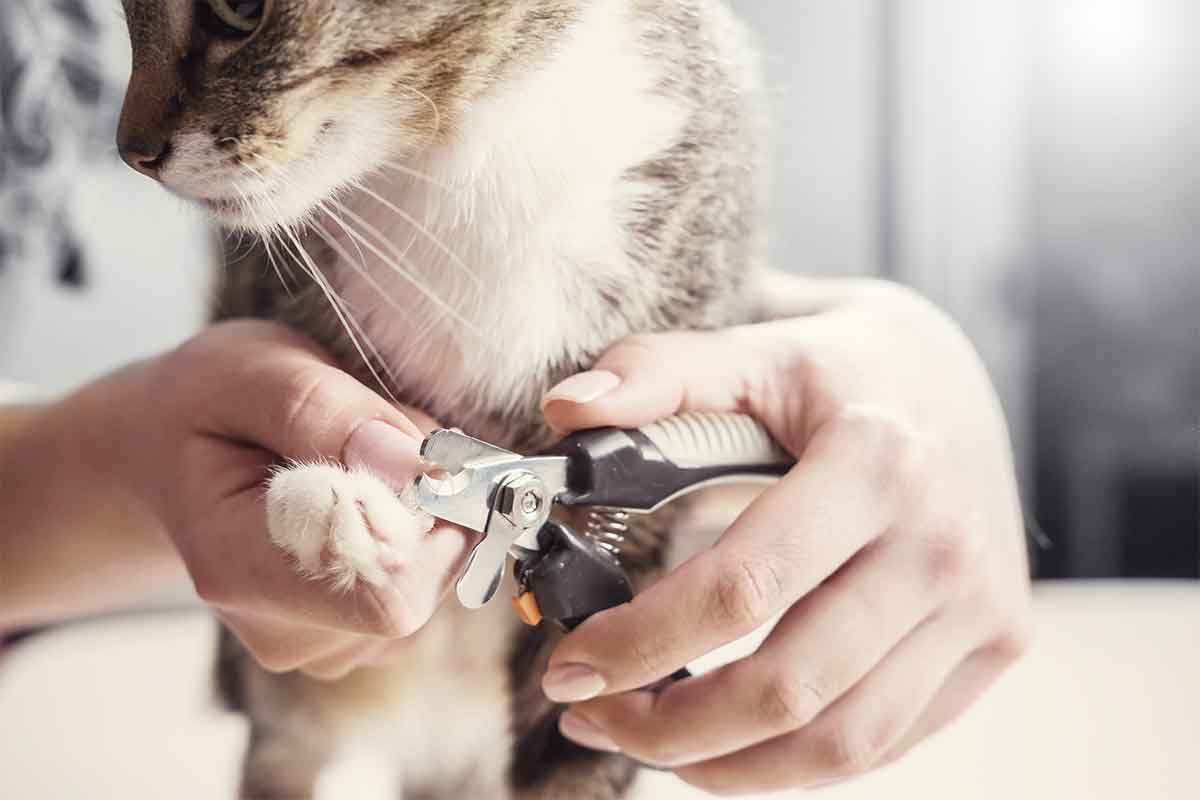
Trim Your Cat’s Nails Regularly
Trimming doesn’t stop scratching, but it can reduce how much damage happens when your cat does scratch. Shorter, smoother claws are less likely to snag and tear upholstery.
Many cats do best with nail trims every two to three weeks. If your cat is anxious about it, go slowly and reward them with treats and praise. Some owners also use a cat-safe nail file or emery board to keep edges smoother between trims.
Try Furniture Guards on High-Risk Areas
Furniture guards create a physical barrier on the places cats tend to scratch most—like the sides and corners of a sofa. They’re usually made from durable plastic or vinyl and attach with adhesive strips or pins (depending on the product and fabric type).
The benefit is that they’re typically clear and discreet, so they don’t change the look of your room much. They can also work on other targets like chair backs, wooden legs, or door frames.

Offer Scratching Mats as an Alternative
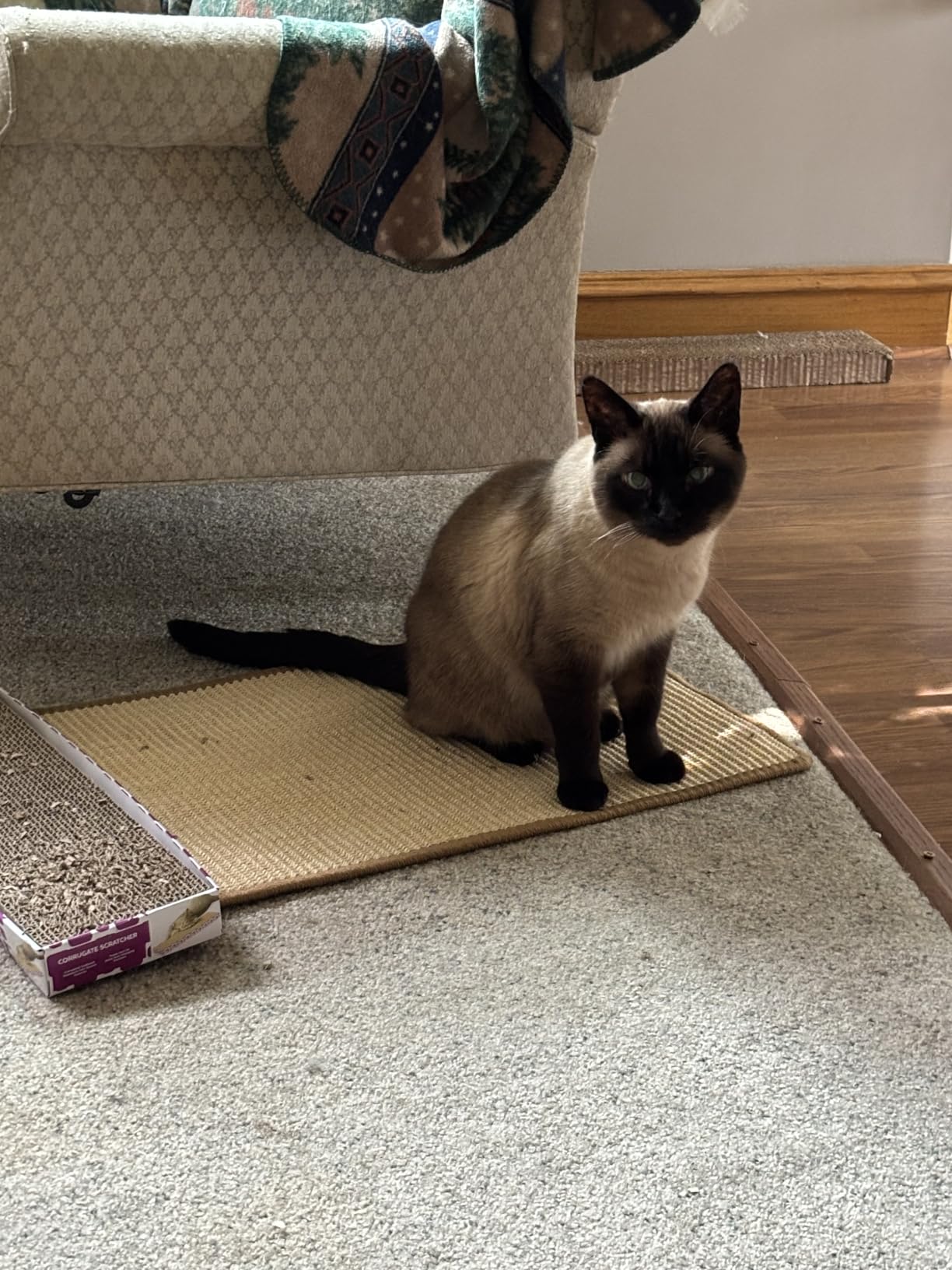
Some cats prefer a flat, horizontal scratching surface. That’s where scratching mats shine. You can place them on the floor, drape one over a sofa arm, or mount one on a wall—whatever fits your cat’s style.
Mats come in materials like sisal, cardboard, and carpet. The best approach is to offer a few textures so your cat can choose what they like—and your couch stops being the default.
Use Scent-Based Deterrents Carefully
Many cats dislike strong citrus scents, and some owners use that to discourage scratching. You can lightly mist problem areas with a pet-safe deterrent spray. If you’re using any essential oils, be very cautious—some are toxic to pets, even in small amounts.
Always test any spray on a hidden spot first to make sure it won’t stain or discolor the fabric. Reapply as needed, and consider combining scent deterrents with other strategies (covers, guards, and scratchers) for the best results.

Reward the Behaviors You Want
Positive reinforcement works incredibly well with cats when it’s consistent. When you see your cat using a scratching post or mat, reward them with a treat, gentle praise, or a quick play session.
Avoid punishment for scratching furniture—cats often don’t connect the punishment to the action, and it can create anxiety. Your best path is to make the “right” scratching option more attractive and more rewarding.
Rotate Toys and Keep Your Cat Engaged
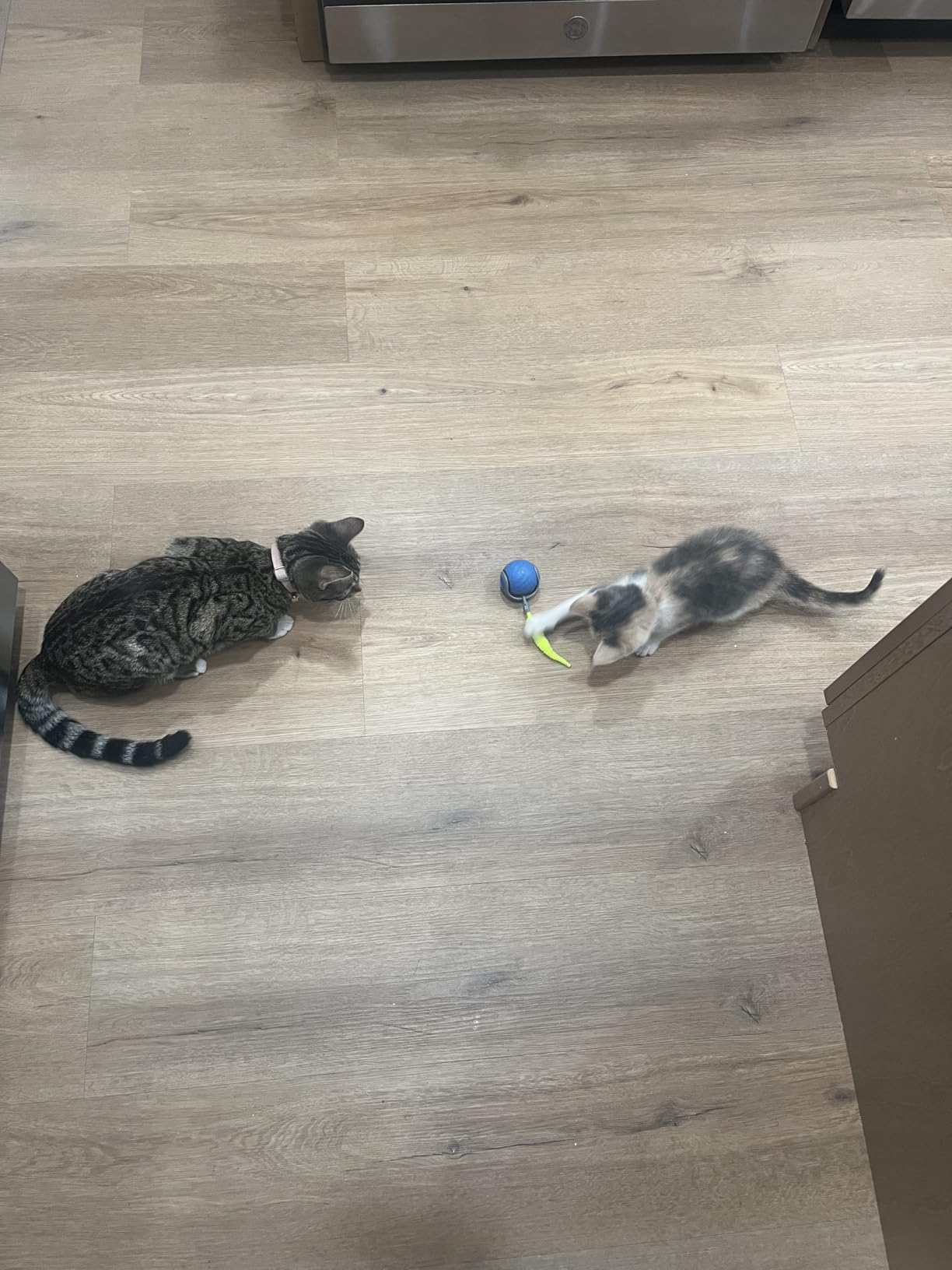
Bored cats are more likely to scratch furniture out of frustration or for stimulation. Keeping your cat mentally and physically engaged can lower destructive habits.
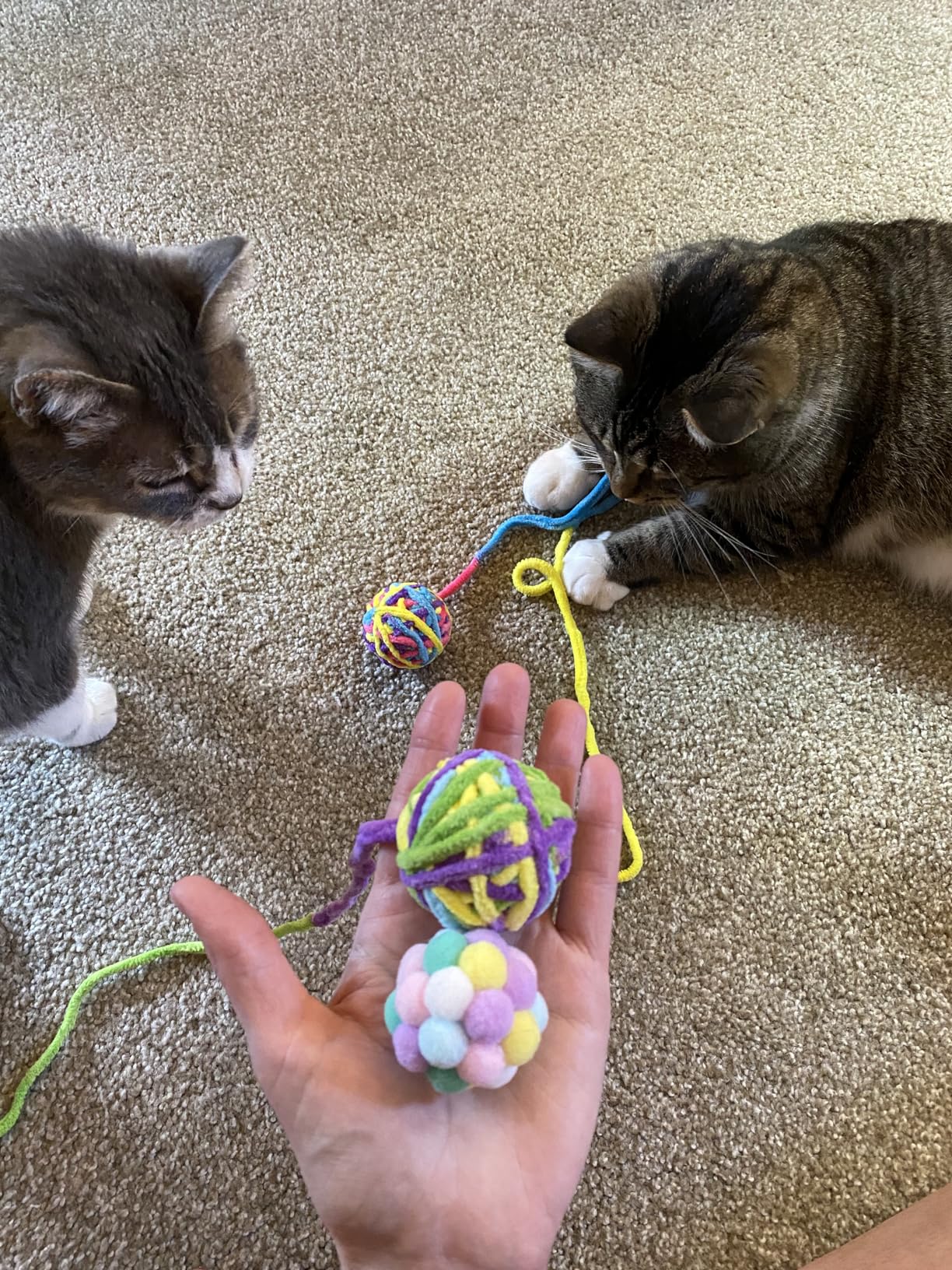
Rotate toys every few days so they stay “new,” and add interactive options like puzzle feeders, wand toys, and climbing trees. Vertical spaces (cat trees, shelves) and cozy hiding spots (boxes, tunnels) also help cats feel fulfilled and less likely to turn your couch into a project.
Consider Soft Nail Caps if Your Cat Tolerates Them
Nail caps (often known as Soft Paws) are small silicone covers that fit over your cat’s claws, reducing damage from scratching. They typically last a few weeks before needing replacement.
Not every cat accepts nail caps, so it’s important to monitor comfort after application. If your cat does fine with them, they can be an effective option alongside scratching posts and sofa covers.
Conclusion
Protecting furniture from cat scratching can feel challenging at first, but it’s absolutely doable with the right mix of tools and patience. Focus on consistency, redirection, and positive reinforcement—those are the keys to long-term success.
Every cat is different, so don’t be afraid to test a few strategies and combine what works best for your home. With time, you can support healthy scratching habits and still keep your sofa looking great.
If you want a simple first step, a well-fitted, washable sofa cover from Slick Interior can protect your couch immediately—while you build better scratching routines for your cat.


