

For most pet owners, animals aren’t just companions—they’re part of the family. But as much joy as they bring, pets can also be rough on your furniture if you don’t take steps to protect it.
Instead of constantly repairing or replacing pieces, it’s smarter to put safeguards in place. Below are five simple yet effective ways to keep your furniture and décor safe from furry family members.
1. Sofa Covers

Pets often leave their mark on couches and chairs—whether it’s cat hair clinging to fabric or dogs scratching at the arms. Over time, this can ruin even the best furniture. A practical solution is to invest in quality sofa covers.
These covers slip right over your furniture, creating a barrier against scratches, fur, and spills. They come in a range of fabrics, sizes, and colors so you can find one that matches your style. Many modern designs are water-resistant and machine washable, making upkeep easy.
The key is to choose a cover that fits properly and is made from durable material. A loose or flimsy cover won’t offer much protection. The convenience factor is a big plus too—when it gets dirty, simply toss it in the wash.
With the right sofa cover, you not only protect your furniture but also keep your living space looking fresh and stylish.
2. Opt for Pet-Friendly Fabrics

When choosing furniture or updating décor, fabric choice matters. Luxurious materials like silk and velvet may look elegant, but they don’t hold up in a pet household. They attract fur, tear easily, and are hard to clean.
Instead, go for tougher, low-maintenance options like leather or microfiber. Leather resists scratches and can be wiped clean quickly, while microfiber is stain-resistant and soft without trapping hair.
For décor pieces, stick with sturdy materials like wood, metal, or ceramic that won’t chip easily if knocked over.
If you’re updating your furniture, washable covers made from resilient fabrics are a smart, pet-proof upgrade that doesn’t sacrifice style.
3. Provide Scratching Posts and Toys
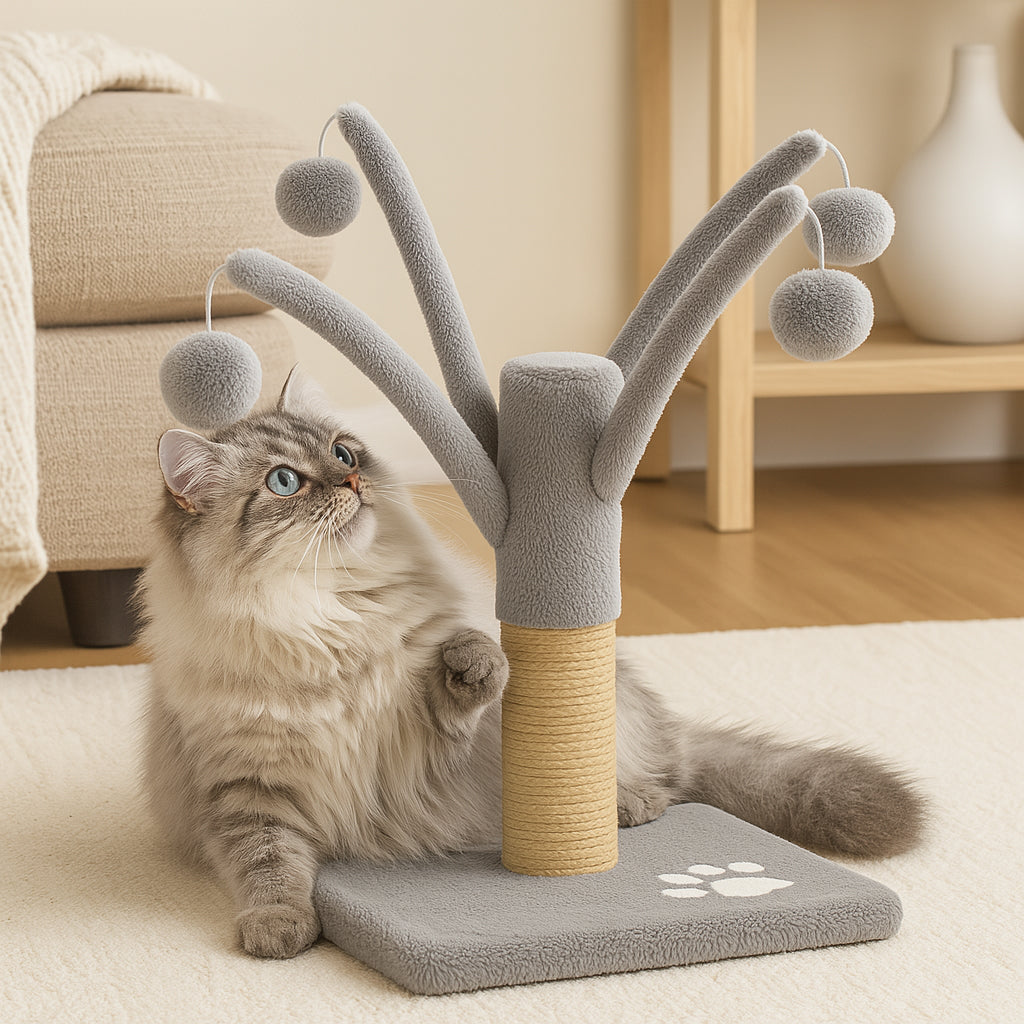
Pets have natural instincts to scratch and chew, which can spell disaster for furniture. Redirect that energy by giving them proper outlets.
Cats benefit from scratching posts made of sisal, carpet, or cardboard. Experiment to see which type your cat prefers and place it where they like to scratch.
Dogs (and some cats) also need toys—chew toys, puzzle games, or interactive options—to keep them busy and away from your table legs.
Be sure to replace worn-out toys or posts. If they lose interest, they’ll go back to your sofa. By keeping pets entertained and their instincts satisfied, your furniture remains safe.
4. Keep Pets Well-Groomed
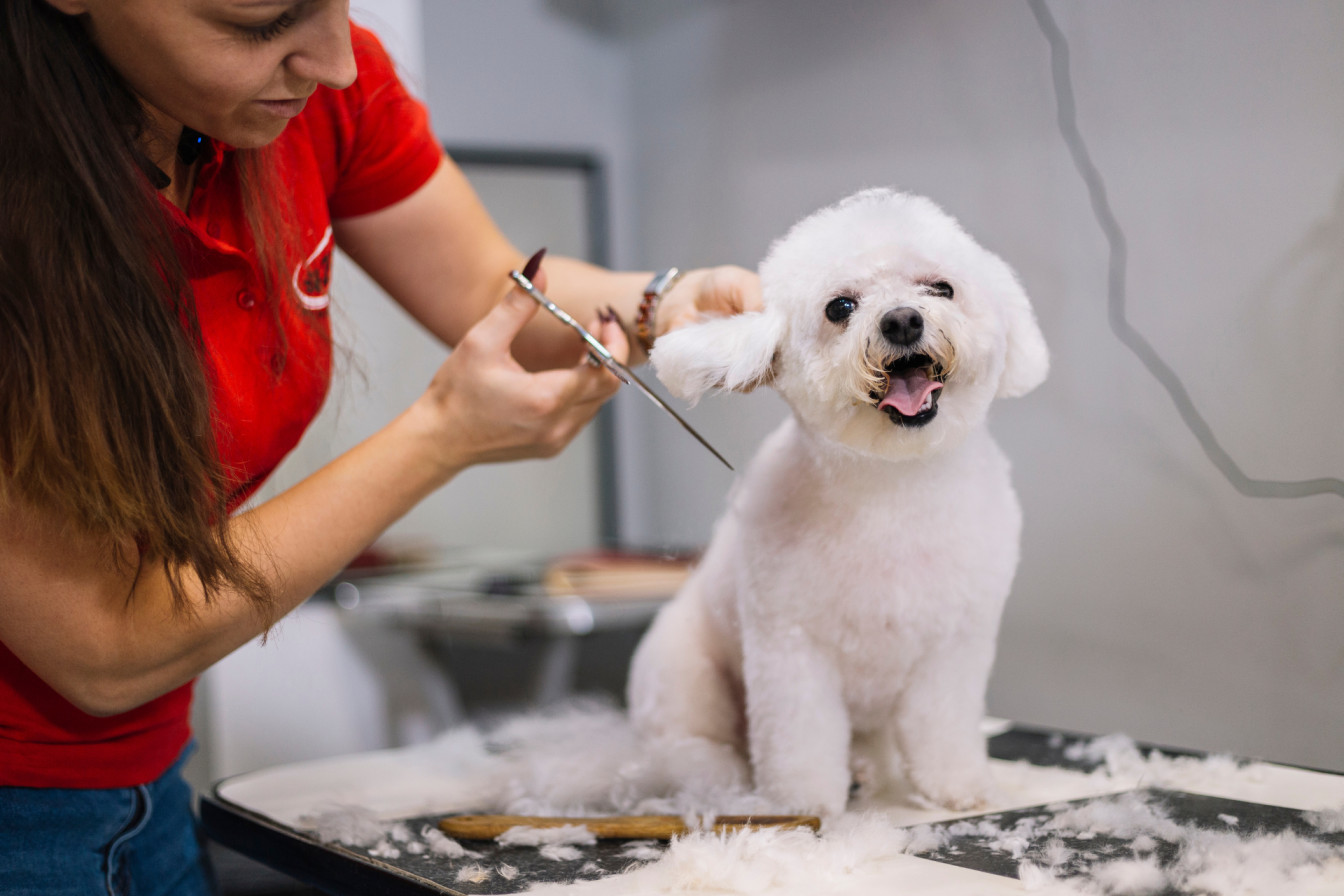
Shedding fur and sharp claws are two of the biggest threats to furniture. Regular grooming tackles both.
Brushing reduces loose hair, which keeps couches and rugs cleaner and also minimizes allergy triggers. Trimming nails helps prevent scratches, while routine baths or grooming sessions reduce dander and odors.
Well-groomed pets are also less likely to develop skin irritations that cause them to scratch excessively, protecting both their health and your furniture.
5. Cover Floors and Surfaces

Don’t forget floors and tables. Rugs and mats placed in high-traffic zones protect flooring from scratches and muddy paws. Pick durable, washable options that can handle daily wear.
Tablecloths and placemats safeguard tables from spills and scratches, especially if your pets are curious climbers.
For living rooms with sectional seating, you can find tailored solutions—L-shaped or U-shaped couch covers, or multi-piece sets designed to shield every section.
And when accidents happen, clean them with pet-safe products. These are gentle on animals yet effective at removing stains and odors.
Final Thoughts
Protecting furniture from pets isn’t about restricting them—it’s about creating a comfortable, stress-free home for everyone.
Here’s a quick recap:
- Invest in sofa covers
- Pick pet-friendly fabrics
- Offer scratching posts and toys
- Groom your pets regularly
- Protect floors and surfaces
If you’re bringing a new pet home, it’s wise to set up these safeguards in advance. Preventing damage is always easier than fixing it later.
By following these steps, you’ll enjoy a home that stays beautiful while still welcoming your furry companions.


